Overview
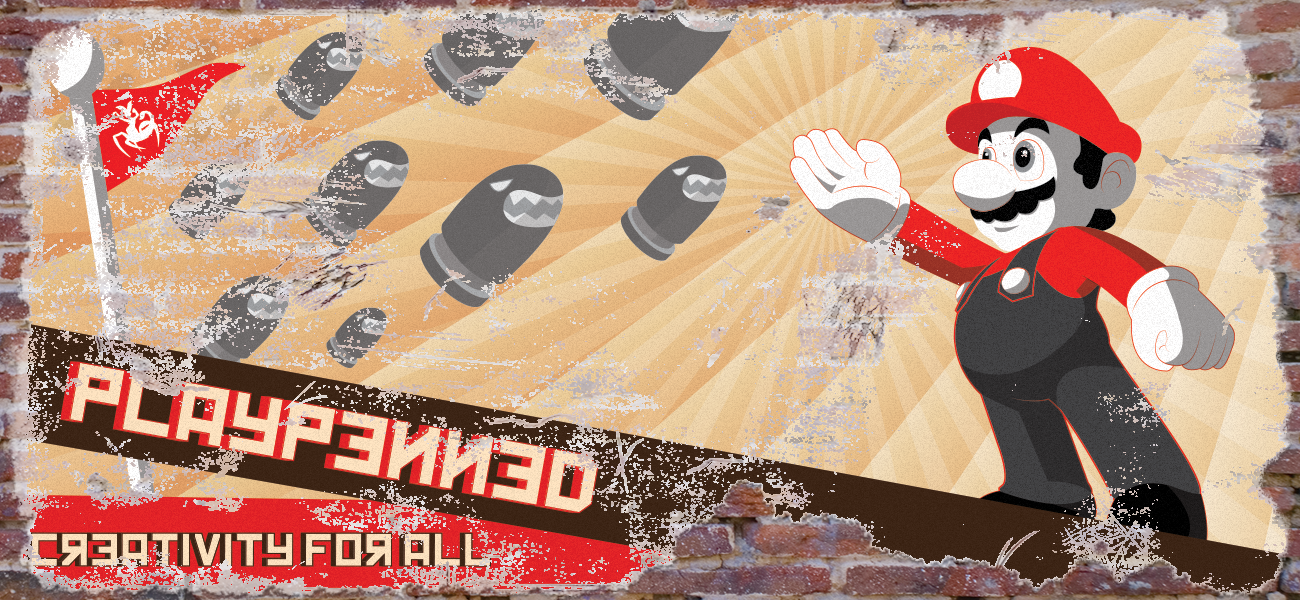
Playpenned started from a simple question: what happens when someone has an idea but not the technical skill to make it? My MFA thesis asked how to make 3D modeling approachable enough for a novice to actually create with, not just admire from the outside. The goal was to lower the barrier far enough that a hobbyist, a gamer, or a kid could build real 3D geometry, and to treat the making itself as play.
The ask
How might we simplify 3D modeling to better enable community created content?
That opens a lot of doors. With 3D printing, anyone becomes a toy maker. A teacher could build a lesson instead of handing out another photocopy. You could even imagine a test like the SAT as something you play rather than fill in.
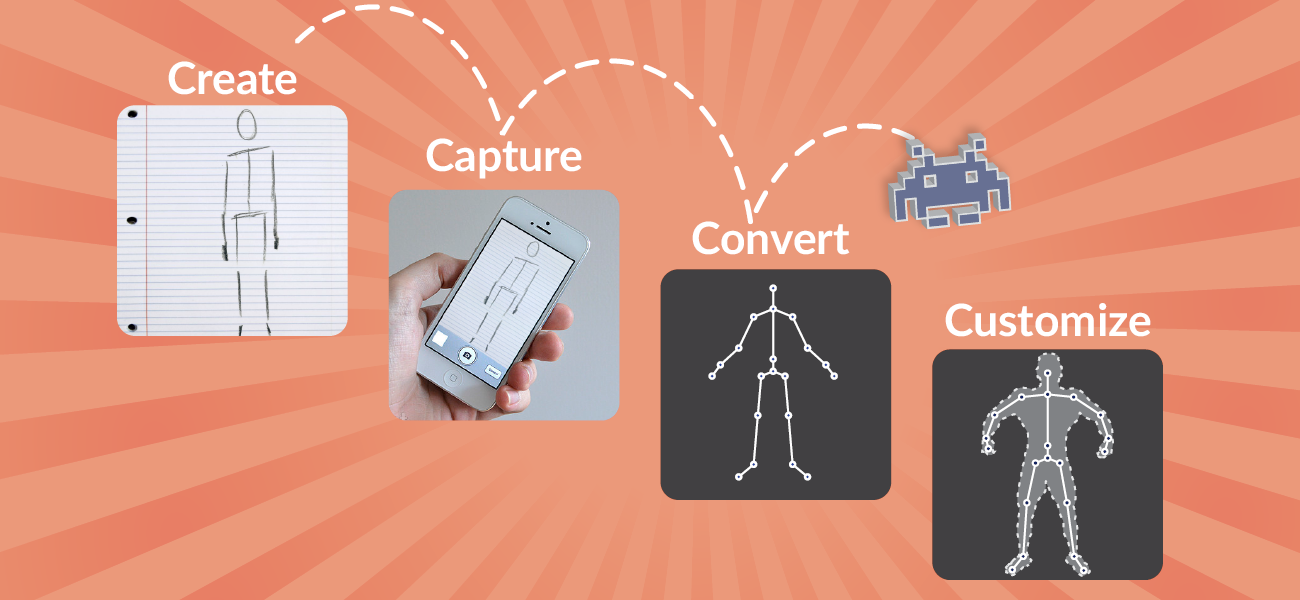
Research pointed to four steps that could carry a novice through: create, capture, convert, and customize. Start with something real, bring it in, turn it into editable geometry, then shape it. The rest of the project was about making each of those steps feel like play rather than production software.
One idea: let people start by photographing a quick stick figure and converting it into a skeleton, borrowing from the character-creation flows games already use. The first part of my research found a strong preference for starting from an analog creation rather than a blank canvas.
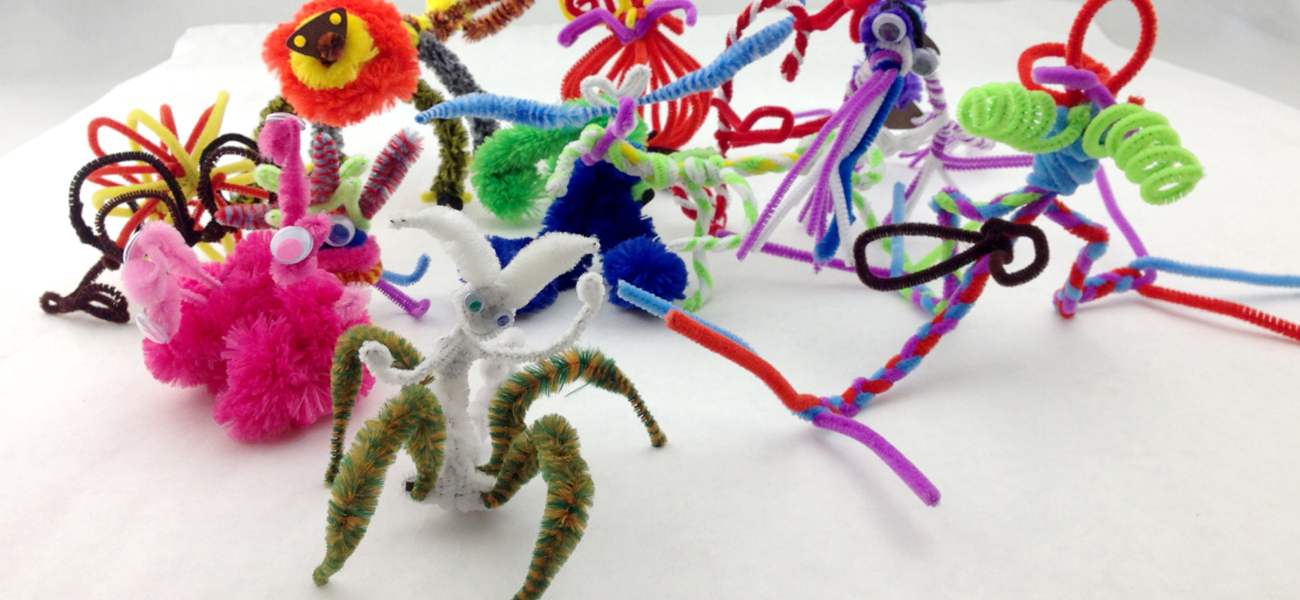
To test the analog-input idea, I ran pipe-cleaner creature-making sessions as a stand-in for the software. Participants built a creature by hand; I then modeled, textured, and animated it myself, doing the work the tool would eventually do automatically in a what-you-see-is-what-you-get environment.
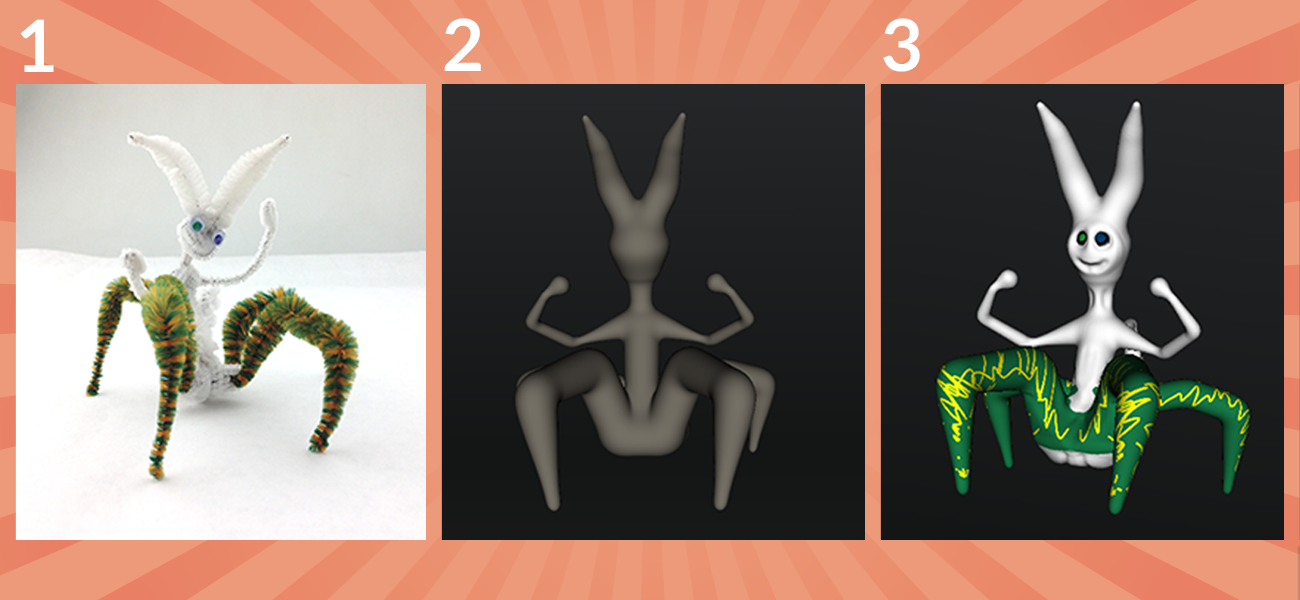
The sessions became a hit in the design studio. Building complex shapes quickly, with almost no time invested, was genuinely fun, and several participants reported it as a stress reliever. That tangibility, and the speed of it, is what made me think the idea belonged in augmented or virtual reality, where you shape things with your hands.
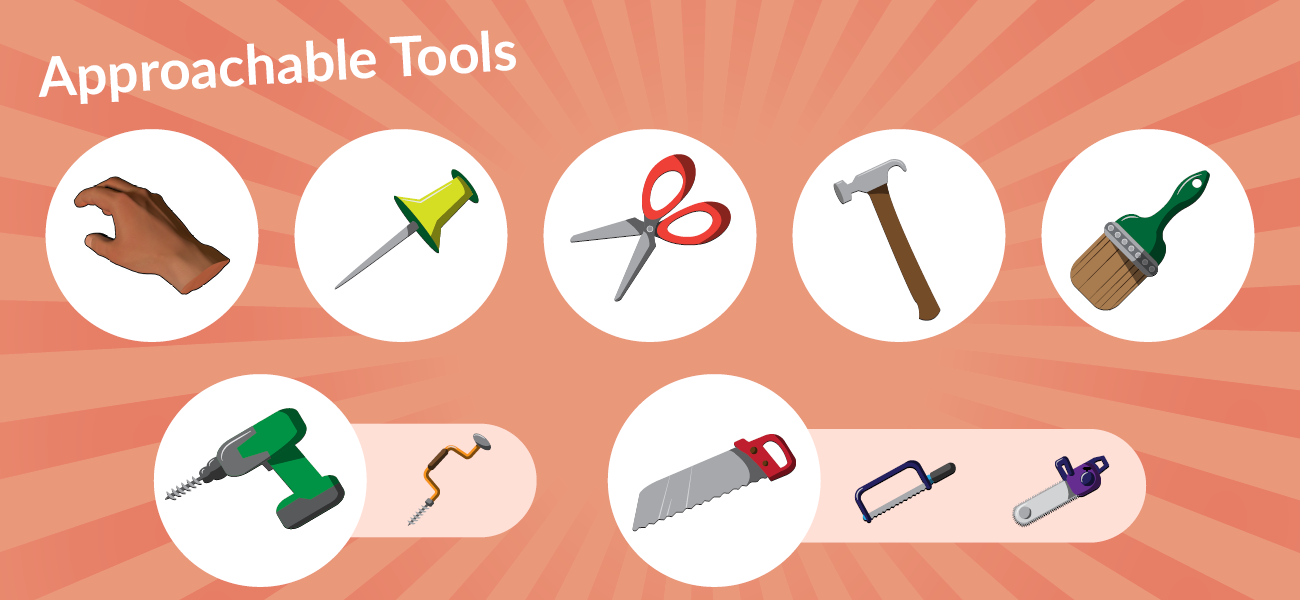
People understood tools better when they mapped to real-world analogues. Everyone knows scissors cut paper more easily than steel, so why design virtual objects in a vacuum? By limiting the tools available at the start, and with them the materials you can edit, the tool can teach as you go instead of overwhelming a newcomer with a wall of buttons, the most common complaint about existing software.
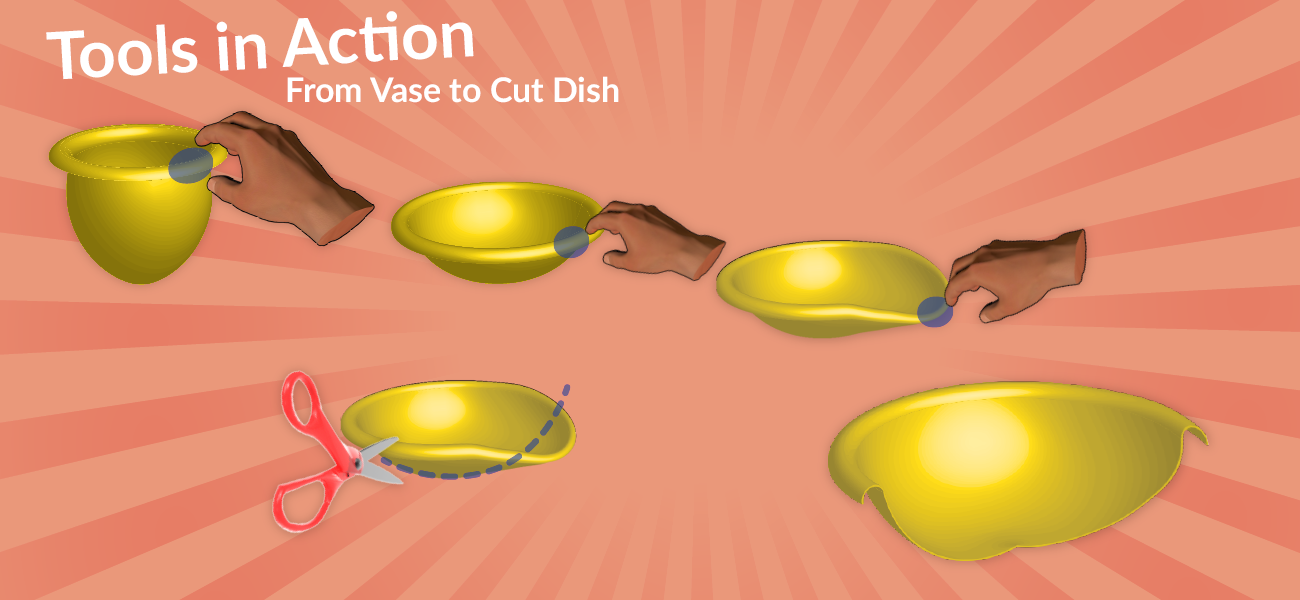
Another idea from the research was to bring rapid prototyping into a virtual space: start from real objects you can modify, not from primitives. The basic shapes would still be there, but so would rabbit ears or a soda bottle, and in principle anything you could 3D scan. Modifying real objects the way you would physically also makes the tools make sense. The example here uses hands to deform an object and scissors to cut it. Physicality could even gate what you can edit, which opens the door to gamified levels that teach a tool by unlocking it, like earning a new tool to change a new kind of object.
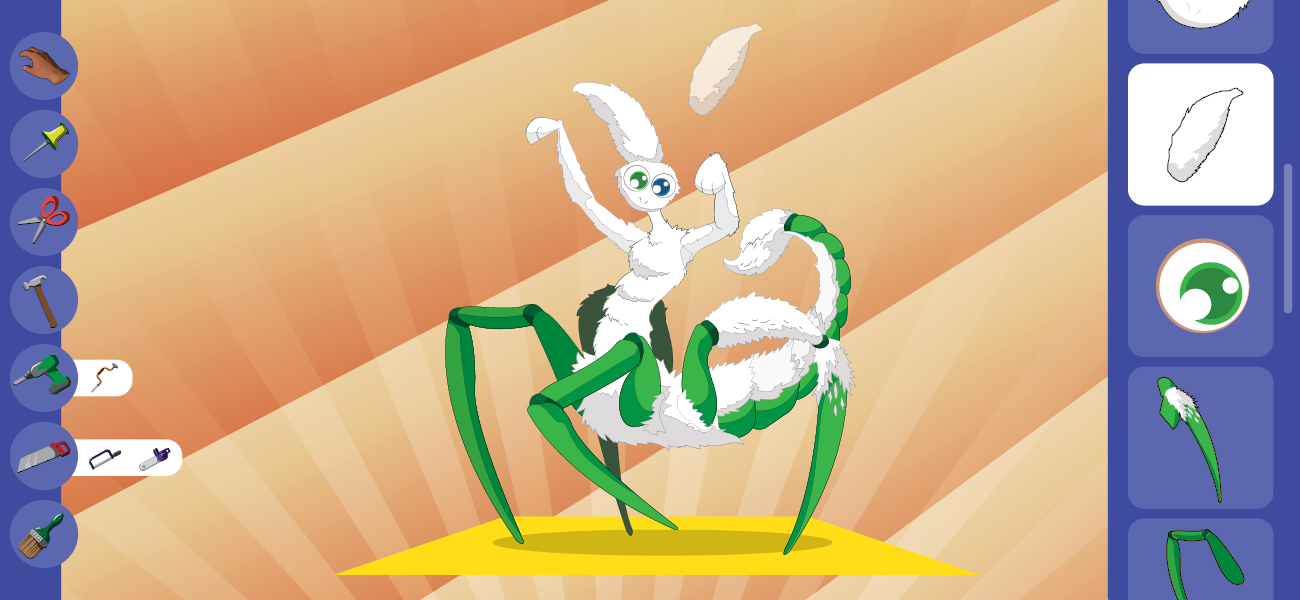
This is how the creature side might work if it borrowed from game mechanics. Research again favored drag-and-drop, and pushed me to hide the confusing mesh geometry behind realistic tools for modifying ready-made models. Continuous and discrete sliders would let you customize parameters without wrestling the underlying geometry. Making a game of making.
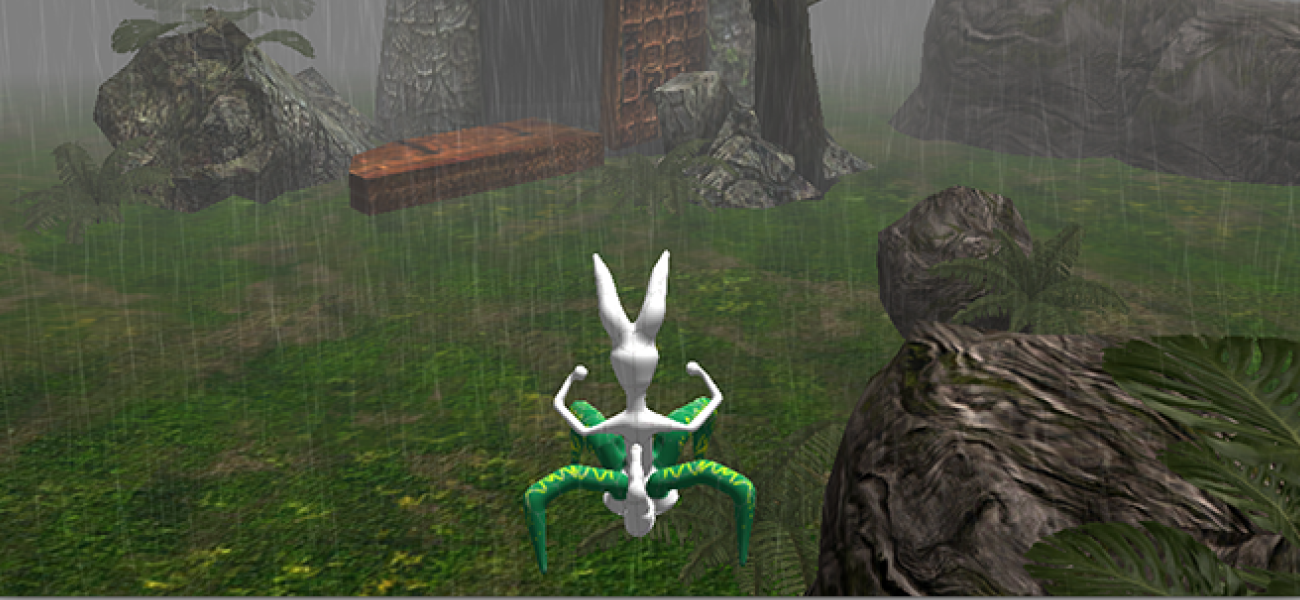
The last piece was payoff: bringing the rigged, animated creature into Unity as something you could play. I dropped it into a free map, wired up WASD and mouse controls, and locked the camera to a third-person view. The thing you made by hand became a character you could move.
Revisiting it now
In the years since, a lot of what the thesis proposed has quietly shown up in real tools. What it needed to really work was software more capable and intelligent than anything available then. That gap is closed now, and AI is what closed it. The same through line still pulls at me: giving people the ability to make things they couldn't make before, now with AI and AR/VR finally strong enough to carry it.